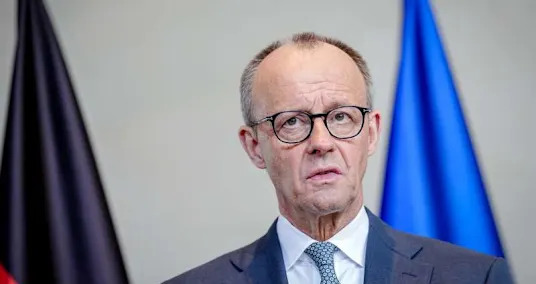
German Chancellor Friedrich Merz has said that 80% of the more than 900,000 Syrian nationals in Germany should return to their home country in the next three years.
At a press conference with Syria's interim President Ahmed al-Sharaa in Berlin on Monday, Merz said the leaders agreed that over the "longer term of the next three years," around "80% of the Syrians currently in Germany should return to their homeland."
"That was also the wish of President Sharaa," Merz said, adding that "those Syrians who wish to remain in Germany and are well integrated will be able to stay in Germany."
Germany was one of the main destinations for Syrian refugees fleeing the devastating civil war, with around 1 million arriving in the country during dictator Bashar al-Assad's time in power.
Calls for Syrian nationals to leave Germany have risen in conservative and far-right circles following al-Assad's ousting in late 2024 by an Islamist coalition led by al-Sharaa.
LATEST POSTS
- 1
 Go on A Careful spending plan: Modest Objections for Your List of must-dos
 - 2How does spider venom damage human cells? Researchers uncover the killer mechanism of recluse spider toxin
- 3Malaysia To Revive Search for Missing Flight MH370
- 4REWE launches seventh Pick&Go test store in Hanover
- 5What's The Friendliest City In The United Kingdom?





- Forum Dvorah demands clear support for women in combat as IDF gender debate escalates
- Collierville residents with no power as temperatures plunge
- Magnetic fossils may reveal ancient creature's internal 'GPS system'
- Pick Your Favored kind of soup
- Humpback whale stranded on Germany's Baltic coast frees itself
- The Best Design Bloggers for Style Motivation
- Figuring out the Business venture Code: The Response to Building an Effective Startup
- Scientists find evidence that an asteroid contains tryptophan
- Hundreds rally in West Bank against Israeli death penalty for Palestinians